Upholstery cleaning for homes near Wimbledon Common
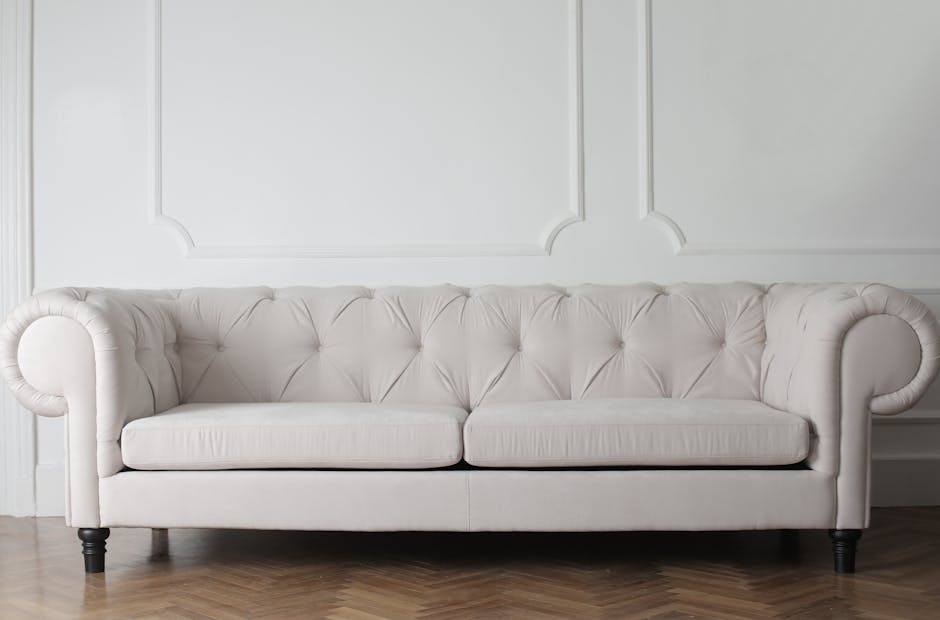
If you live near Wimbledon Common, you already know the charm of the area: leafy roads, busy family homes, muddy shoes after a walk, and rooms that seem to collect everyday life a bit faster than you expect. That is exactly why upholstery cleaning for homes near Wimbledon Common matters. Sofas, armchairs, dining chairs and upholstered headboards take on dust, pet hair, pollen, drink spills and the kind of general wear that sneaks up on you. One day it looks "fine", and then suddenly it doesn't.
This guide breaks down what upholstery cleaning involves, how it works, when to book it, and how to get better results from it. You will also find a practical checklist, common mistakes to avoid, and a simple way to think about methods and expectations. If you are comparing services, you may also find it useful to look at upholstery cleaning, sofa cleaning, and related care such as stain removal for tougher marks.
Truth be told, good upholstery care is less about making furniture look brand new forever and more about keeping it clean, comfortable and usable for longer. That is a sensible goal. And for many homes near Wimbledon Common, it is the difference between a room that feels refreshed and one that quietly feels tired.
Why Upholstery cleaning for homes near Wimbledon Common Matters
Upholstery absorbs more than most people realise. It catches body oils, dust, food crumbs, moisture, pollen, pet dander and smoke residue if that is part of the household environment. In a local setting like Wimbledon Common, where homes often have active family routines, pets, visitors and outdoor-in, indoor-out traffic, soft furnishings can become the quiet weak point in a clean-looking home.
There is also a comfort issue. A sofa can look acceptable from across the room while still holding a stale smell, a slightly sticky armrest or a dull patch where grime has settled into the fibres. You notice it when you sit down, not when you glance over. A clean upholstered room feels lighter. The air feels a bit fresher. Even the fabric tends to look more even in daylight, which, let's face it, is often the harshest inspector of all.
For households near the Common, another factor is seasonal dirt. Wet coats, damp paws, grass, leaf debris and the occasional accidental muddy footprint can all transfer onto cushions and chairs. Over time, that build-up can shorten the life of the fabric if it is left untreated. Routine care is simply more economical than letting grime settle in deeply.
Expert summary: upholstery cleaning is not only about appearance. It supports hygiene, helps fabrics last longer, and reduces the chance that a small spill becomes a permanent, expensive problem.
If your furniture is part of a broader home refresh, you may also want to pair it with carpet cleaning or even curtain cleaning so the room feels consistently cared for rather than half-finished. That consistency matters more than people think.
How Upholstery cleaning for homes near Wimbledon Common Works
Professional upholstery cleaning usually starts with fabric identification and a careful inspection. This part is boring-looking, but it is the bit that prevents damage. Natural fibres, synthetic blends, velvet, wool mixes and leather-like materials all behave differently. A proper cleaner checks the fabric type, the care label where available, and the nature of any staining before choosing a method.
In practice, the process often includes dry soil removal, spot treatment, agitation where suitable, and controlled extraction or low-moisture cleaning. Some fabrics benefit from hot water extraction, while others need a more delicate approach. The aim is to lift dirt from the fibres without over-wetting the padding underneath. Too much moisture can lead to long drying times, odours or even watermarking. Not ideal.
For many homes, cleaning also involves odour treatment. That can be especially helpful where there are pets, food spills, or just a general lived-in smell that has settled into the upholstery. If pets are part of the picture, pet stain and odour removal can be a useful related service because the source of the smell is not always obvious on the surface.
When the fabric is cleaned correctly, drying is the final important stage. A room with decent airflow, open windows where possible, and sensible heating usually helps. A good result should not feel rushed. You want the fabric cleaned, not merely damp and optimistic.
Key Benefits and Practical Advantages
The obvious benefit is appearance. Sofas, chairs and ottomans look brighter, less tired and more uniform once embedded dirt is removed. But there are several less obvious advantages too.
- Improved hygiene: regular cleaning reduces built-up dust, skin flakes and everyday residue.
- Better indoor comfort: fresher fabrics make a room feel cleaner overall.
- Odour reduction: lingering food, pet and general household smells are easier to manage.
- Longer fabric life: removing grit and grime helps reduce abrasive wear.
- Better stain control: fresh treatment often prevents a spill from becoming permanent.
- Higher confidence when hosting: a tidy, clean-looking living room changes how the whole home feels.
There is also a practical side that gets overlooked. If you are thinking about replacing a sofa because it looks dull, a deep clean may be the simpler first step. Sometimes a service visit can extend the usable life of furniture by quite a bit, especially if the structure is still good. A slightly tired fabric can hide a perfectly decent frame.
For households that like keeping routines efficient, it often makes sense to bundle related soft-furnishing care. For example, a living room may benefit from upholstery cleaning alongside rug cleaning or mattress cleaning, because dust and allergens do not respect room boundaries. They travel. Annoyingly so.
Who This Is For and When It Makes Sense
This kind of cleaning is useful for a wide range of homes near Wimbledon Common, but some households need it more urgently than others. If any of the following sounds familiar, it is probably time to think about it.
- Families with children who snack, spill, sit on everything and somehow track crumbs everywhere.
- Pet owners dealing with fur, paw marks or the occasional accident.
- People hosting guests often and wanting the living room to feel fresh.
- Homeowners preparing for a move, sale, tenancy change or renovation.
- Anyone with allergies who wants to reduce dust and trapped debris in soft furnishings.
- Households where a sofa or chair has a visible stain, patchy colour or odour.
You may not need a full deep clean every time a small mark appears. Sometimes a targeted treatment is enough. But if the upholstery has several issues at once, or if it has been years since the last proper clean, a more thorough service tends to make far more sense. Waiting usually makes the job harder, and sometimes more expensive, which is a bit of a nuisance.
There is also the question of timing. Spring is a common moment for this kind of work, but honestly, any time before a special event, a house sale, or a long winter indoors can be a good moment. If the room feels flat, that is reason enough.
Step-by-Step Guidance
Here is a sensible way to approach upholstery cleaning if you want good results rather than guesswork.
- Identify the fabric. Check labels and note whether the piece is woven, synthetic, velvet, wool blend or another material.
- Inspect the problem areas. Look at arms, seat cushions, headrests and seams, because these are usually the worst-hit spots.
- Vacuum thoroughly. Dry soil should be removed before any liquid treatment begins.
- Test any product in a hidden spot. Colourfastness matters. A patch test is never glamorous, but it saves a lot of grief.
- Treat stains carefully. Different stains need different approaches, and scrubbing is rarely the answer.
- Choose the right cleaning method. Low-moisture methods suit some fabrics; extraction suits others.
- Work methodically. Clean in sections so no area gets overloaded with solution or water.
- Allow proper drying. Keep airflow moving and avoid heavy use until the fabric is fully dry.
- Finish with a final check. Look for any missed marks, light shading or odour that needs follow-up.
If a stain has already dried, do not assume it is hopeless. Many marks still respond well to careful treatment, though some fibres hold onto dye or oils more stubbornly than others. The trick is to act intelligently, not aggressively. That is where professional stain removal can make a real difference.
Expert Tips for Better Results
There are a few small decisions that can improve the outcome quite a lot.
- Blot, don't rub. Rubbing pushes the spill deeper and can damage the pile.
- Deal with fresh spills early. The first few minutes matter more than people think.
- Use the least moisture necessary. Over-wetting is a common cause of problems.
- Keep cleaning products mild unless the fabric calls for more. Stronger is not always better.
- Open windows if the weather allows. Airflow helps drying and reduces that damp-fabric smell.
- Rotate cushions where possible. Even wear keeps the seating looking balanced.
- Protect high-contact areas. Armrests and headrests often need more attention than the rest.
One useful habit is to think in zones. The front edge of the seat, the arms, the back cushions and the seams all age differently. Cleaning them as though they are the same thing is a bit like wearing one shoe in the rain and expecting both feet to stay dry. Not really how it works.
Another practical tip: if you have a favourite reading chair or a sofa corner where the family always piles in on a Sunday evening, point that out when arranging cleaning. A cleaner can focus on the pressure points instead of treating the piece like it is evenly worn. Usually it isn't.
Common Mistakes to Avoid
People usually get into trouble in the same few ways. Avoid these and you are already ahead.
- Using too much water. This can leave rings, odours or slow drying.
- Trying the wrong product first. Some cleaners are too harsh for delicate fabrics.
- Scrubbing stains hard. That often spreads the mark and roughens the fibres.
- Ignoring care labels. They are not decorative. They exist for a reason.
- Leaving old spills untreated. What starts as a small mark can become a set stain.
- Forgetting about the padding underneath. Surface cleaning alone is not always enough.
A subtle one, but important: people sometimes clean only the visible centre of a cushion and leave the surrounding area alone. Then the cleaned spot stands out more than before. Bit awkward. Always feather the work outward so the result looks even.
And if the upholstery is part of a larger room refresh, don't forget the curtains, rugs and carpets. A single spotless chair in a dusty room can look almost strange. The eye notices balance, even if the brain doesn't.
Tools, Resources and Recommendations
You do not need a warehouse full of kit to care for upholstery properly, but having the right basics helps. For home maintenance, a good vacuum with an upholstery attachment, clean white cloths, a soft brush and a mild fabric-safe spot cleaner are usually enough for day-to-day issues.
For more thorough work, a professional will usually bring extraction equipment, specialist pre-sprays, spotters and drying tools. The value there is not just the machinery. It is knowing how to match the method to the fabric, stain and condition of the furniture. That judgement matters.
Here is a simple comparison to help you think about options.
| Method | Best for | Strengths | Limitations |
|---|---|---|---|
| Vacuuming and spot care | Routine upkeep, light soil, fresh spills | Quick, affordable, helpful between deep cleans | Will not remove embedded grime or deep odours |
| Low-moisture cleaning | Delicate fabrics, quicker drying needs | Gentler, reduces over-wetting risk | May be less effective on heavy contamination |
| Hot water extraction | Durable fabrics, deeper soil, general refresh | Strong cleaning power, good for embedded dirt | Not suitable for every fabric; drying matters |
| Targeted stain treatment | Specific marks, spot problems, accident clean-up | Focused and efficient | May not improve overall appearance on its own |
If you are comparing service options, pricing and scope are worth discussing openly before booking. A helpful starting point is the provider's pricing and quotes information, along with practical details about payment and security. That sounds dry, I know, but it saves confusion later.
Law, Compliance, Standards, or Best Practice
For domestic upholstery cleaning, the main concern is less about formal regulation and more about safe, responsible working practice. In the UK, a reputable cleaner should handle products carefully, follow sensible risk controls, and respect the property they are working in. That means avoiding unnecessary moisture, checking product suitability, and using equipment in a way that does not create avoidable hazards.
If you hire someone, it is reasonable to expect clear communication about what will be cleaned, how the method suits the fabric, and what drying time to expect. You should also expect the company to be properly insured and to take health and safety seriously. If that matters to you, it should, their insurance and safety information and health and safety policy are good places to review.
Environmental care is another sensible consideration. Not every job needs heavy chemistry. Responsible detergent use, water management and waste awareness are all part of good practice. If sustainability matters in your household, take a look at the business's recycling and sustainability approach. Small details, but they add up.
Finally, if you are choosing a company, trust signals matter: transparent terms, a fair complaints process, and a clear privacy approach. These are not glamorous topics, obviously, but they tell you how the business behaves when something is not perfect. Which, let's be honest, is when you really learn most things.
Options, Methods, or Comparison Table
Different homes need different approaches. A busy family lounge with a synthetic sofa is not the same as a formal sitting room with a delicate fabric chair. Here is a simple decision guide.
| Situation | Better approach | Why |
|---|---|---|
| Light dust and routine refresh | Vacuuming plus light maintenance | Keeps fibres from clogging and makes deeper cleaning easier later |
| Visible drink spill on a durable sofa | Prompt stain treatment and extraction | Helps lift residue before it dries into the fabric |
| Delicate fabric or decorative chair | Gentler, low-moisture approach | Reduces risk of distortion, shrinkage or marking |
| Pet odour in seating areas | Targeted odour and stain treatment | Addresses both the visible mark and the smell source |
| Whole-room refresh before hosting or moving | Combined upholstery, carpet and rug care | Creates a more consistent finish across the room |
There is no single "best" method for every piece. The right choice depends on the fabric, the stain, the age of the item and how quickly you need it ready again. That might sound obvious, but it is where many bad experiences begin: people buy a one-size-fits-all answer for a job that really is not one-size-fits-all.
Case Study or Real-World Example
A common real-world scenario near Wimbledon Common goes like this: a family has a pale fabric sofa in a living room that gets regular use after school, during weekend visitors and, naturally, after muddy walks. The sofa still looks fine at first glance, but the armrests are slightly darkened and there is a faint smell that appears when the heating comes on. Nothing dramatic. Just enough to feel "off".
After inspection, the cleaning approach focuses on dry soil removal, gentle pre-treatment of the arm areas and controlled cleaning of the seat cushions. The aim is not to force the fabric but to lift the accumulated residue evenly. A careful finish leaves the room looking cleaner and, more importantly, feeling cleaner when you sit down. The difference is subtle for about ten seconds, then you notice it properly. Fresh fabric tends to do that.
That same home may also have a rug near the sofa and curtains that catch dust. In that case, the family gets a better result by thinking in terms of the room rather than the single item. It is a small change in approach, but it often makes the whole space feel more settled.
Practical Checklist
Before booking or starting any upholstery clean, run through this checklist. It keeps things simple and avoids the most common headaches.
- Check the fabric type and any care label.
- Look for stains, odours, pet marks and worn areas.
- Decide whether you want a spot treatment or a full refresh.
- Move small items away from the furniture.
- Vacuum loose dirt and crumbs first.
- Confirm whether the cleaner's method suits delicate fabrics.
- Ask about expected drying time.
- Keep pets and children away while the fabric dries.
- Plan ventilation for after the clean.
- Review aftercare advice before the work begins.
If you are arranging professional help, it can also be sensible to check the provider's policies around service terms and data handling. The pages on terms and conditions and privacy policy are worth a quick look, even if they are not the most exciting reading on your afternoon list. To be fair, few policies are.
Conclusion
Upholstery cleaning for homes near Wimbledon Common is about more than making a sofa look presentable. It helps protect fabrics, improves the feel of a room, and deals with the kind of everyday build-up that local family homes are especially prone to. Whether you are dealing with a single stain, pet odour, or a whole living room that needs freshening up, the smartest move is usually the one that matches the fabric and the problem properly.
The good news is that once you understand the basics, upholstery care becomes a lot less mysterious. You do not need to overcomplicate it. Check the fabric, choose the right method, dry it properly, and avoid the classic mistakes. That alone gets you a long way.
Get a free quote today and see how much you can save.
And if you want to learn more about the company behind the service, you can also read their about us page or get in touch through the site's contact us page when you are ready. A clean, comfortable room has a way of changing the mood of the day, even on a drizzly London morning.
Frequently Asked Questions
How often should upholstery be cleaned in a home near Wimbledon Common?
For most homes, a professional clean every 12 to 24 months is a sensible range, but busy family homes, pet households or homes with light-coloured fabric may need it more often. If spills or odours build up quickly, do not wait for the calendar.
Can upholstery cleaning remove old stains?
Sometimes, yes. Older stains are harder because they can oxidise, bond with fibres or sink deeper into the padding. A careful inspection helps determine whether a mark is likely to improve. No honest cleaner should promise miracles on sight alone.
Is upholstery cleaning safe for delicate fabrics?
It can be, provided the method matches the fabric. Delicate materials may need low-moisture cleaning, careful pH-balanced products or a more restrained approach. This is why fabric testing and inspection are so important.
How long does upholstery take to dry?
Drying time depends on fabric type, room temperature, airflow and the cleaning method used. Some pieces dry quite quickly; others take longer. Good ventilation helps, and it is wise to avoid heavy use until the fabric feels properly dry.
Will upholstery cleaning get rid of pet smells?
It often helps a great deal, especially when the odour has settled into the fabric or padding. For deeper pet-related issues, targeted treatment is usually needed. That is where pet stain odour removal can be useful alongside upholstery cleaning.
Should I vacuum upholstery before the cleaner arrives?
Yes, if possible. Removing loose dust, crumbs and pet hair first makes the cleaning process more effective and prevents dry soil from turning into muddy residue during treatment.
What is the difference between sofa cleaning and upholstery cleaning?
Sofa cleaning is a specific type of upholstery cleaning focused on sofas and couches. Upholstery cleaning is broader and includes chairs, footstools, ottomans, headboards and other fabric-covered furniture.
Can cleaning damage the colour of my furniture?
It can if the wrong product or method is used, which is why patch testing matters. Reputable cleaning starts with fabric checking and cautious treatment, especially for dyed or delicate materials.
Is it worth cleaning older furniture?
Often yes, as long as the frame and fabric are still in decent condition. A good clean can improve appearance and comfort enough to delay replacement. Sometimes older pieces have more life in them than they look like they do.
What should I ask before booking upholstery cleaning?
Ask about the fabric method, drying time, stain expectations, insurance, pricing and aftercare. It is also sensible to understand terms and payment details in advance. That keeps the appointment smooth and reduces surprise later on.
Can upholstery cleaning be combined with other home cleaning services?
Yes, and in many homes it makes practical sense. Pairing it with carpet cleaning, rug cleaning or steam carpet cleaning can create a much more even result across the room.
What if I am not sure which service I need?
If you are unsure whether you need a full clean, stain treatment or another service, describe the fabric and the problem clearly and ask for guidance. A thoughtful assessment is better than guessing, especially with costly or delicate furniture. Sometimes the simplest answer is the right one.