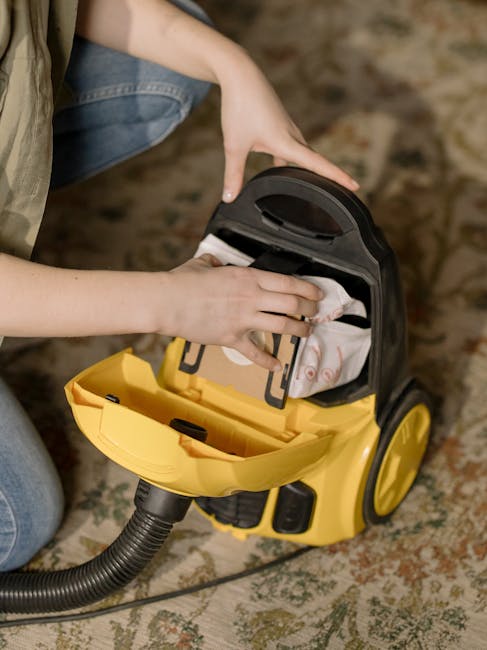
Hard floor cleaning tips for Wimbledon Chase and West Barnes
If your kitchen tiles have started to look a bit dull, your hallway wood floor is picking up scuffs, or the laminate in the living room just never seems fully clean, you are not alone. Homes in Wimbledon Chase and West Barnes see plenty of everyday foot traffic, muddy shoes, food splashes, pet paw marks, and the odd drink spill - all of which build up quietly. The good news? With the right hard floor cleaning tips for Wimbledon Chase and West Barnes, you can keep surfaces looking brighter for longer without over-wetting, scratching, or damaging the finish. This guide walks through what works, what to avoid, and when it makes sense to bring in specialist help.
Table of Contents
- Why Hard Floor Cleaning Matters
- How Hard Floor Cleaning Works
- Key Benefits and Practical Advantages
- Who This Is For and When It Makes Sense
- Step-by-Step Guidance
- Expert Tips for Better Results
- Common Mistakes to Avoid
- Tools, Resources and Recommendations
- Law, Compliance, Standards, or Best Practice
- Options, Methods, or Comparison Table
- Case Study or Real-World Example
- Practical Checklist
- Conclusion
- Frequently Asked Questions
Why Hard floor cleaning tips for Wimbledon Chase and West Barnes Matters
Hard floors are meant to be practical, but they are also one of the easiest surfaces to misjudge. They look robust, so people tend to assume they can take anything. Truth be told, that is where the problems begin. A little too much water, the wrong cleaning product, or a scrubbing pad that is just a bit too harsh can leave behind streaks, haze, scratched sealant, or edges that start lifting. Not ideal.
In Wimbledon Chase and West Barnes, hard floors often deal with a very ordinary mix of challenges: wet weather on the way in, dust from busy roads, soil from gardens, and everyday kitchen debris. Some properties have older timber floors with character and a finish that needs respect. Others have porcelain, ceramic, vinyl, or engineered wood that demands a slightly different approach. One size does not fit all, and that is why proper cleaning guidance matters.
There is also the hygiene side of things. Grime in grout lines, sticky residue in kitchens, and fine dust along skirting boards may not look dramatic, but they do affect how a room feels. You notice it when the floor squeaks underfoot, or when the afternoon sun catches a dull film across the boards. A genuinely clean hard floor feels fresher, lighter, and easier to live with.
Expert summary: Good hard floor care is less about heavy scrubbing and more about the right sequence: remove loose debris, use the smallest effective amount of moisture, choose an appropriate cleaner, and dry thoroughly. That simple formula saves a lot of trouble later.
How Hard floor cleaning tips for Wimbledon Chase and West Barnes Works
At a basic level, hard floor cleaning works by separating dirt from the surface, lifting it safely, and preventing it from being pushed into joints, seams, or textured finishes. The detail, however, depends on the material.
For example, a sealed wood floor needs gentle cleaning so the finish stays intact. Tile and stone can handle more robust cleaning, but grout may need special attention. Vinyl and laminate are more sensitive to excess moisture than people often expect, even though they seem low-maintenance. The cleaning method has to match the floor, not the other way round.
The process usually involves four stages:
- Dry soil removal - sweeping, dust-mopping, or vacuuming first so grit does not act like sandpaper.
- Targeted cleaning - using a diluted, floor-appropriate cleaner with a barely damp mop or pad.
- Spot treatment - handling sticky marks, scuffs, spills, and stains separately rather than attacking the whole floor.
- Drying and inspection - drying the floor properly and checking corners, grout, and edges for residue.
That drying stage is often rushed. It sounds obvious, but it matters. A floor may look clean while still holding moisture in seams or texture, and that can lead to dulling or slip risk. If you are cleaning a busy hallway or kitchen, it is worth leaving a little extra breathing room before people walk across it again.
Professional-level care also considers finish type. A matt lacquer, oiled wood surface, polished stone, and patterned tile will all respond differently to cleaning pressure, chemical strength, and equipment. That is why a careful inspection before you start is worth its weight in tea and patience.
Key Benefits and Practical Advantages
When hard floors are maintained properly, the benefits go beyond appearance. They feel better to walk on, they are easier to keep clean day to day, and they tend to last longer. In homes with children, pets, or a lot of shoes coming and going, this really adds up.
- Better day-to-day hygiene: Dust, crumbs, and sticky residue are removed before they spread.
- Longer-lasting finishes: Gentle care helps protect sealants, oils, and surface treatments.
- Reduced slip risk: Removing greasy build-up and drying floors correctly improves safety.
- Less visible wear: Regular cleaning reduces the dull film that makes floors look older than they are.
- Improved room feel: A clean hard floor changes the whole mood of a room - lighter, fresher, calmer.
There is a practical money angle too. Looking after the floor you already have is usually cheaper than dealing with early wear, staining, or premature refinishing. That does not mean every job needs a professional, of course, but it does mean routine care is worth doing properly.
If your property has mixed flooring, it can also help to pair hard floor care with related services such as carpet cleaning or rug cleaning so the whole room looks consistent rather than half-done. Little detail, big difference.
Who This Is For and When It Makes Sense
This advice is useful for homeowners, landlords, tenants, letting agents, and small businesses across Wimbledon Chase and West Barnes. It is especially relevant if you have one of the following:
- sealed hardwood or engineered wood
- ceramic or porcelain tile
- natural stone floors
- laminate
- luxury vinyl tile or sheet vinyl
- mixed flooring across open-plan spaces
It also makes sense if you are preparing for guests, doing a seasonal reset, moving out, or trying to get on top of routine household cleaning. A hallway before winter, for example, can become a magnet for wet leaves and gritty shoes. A kitchen after a family weekend can be a different story entirely - fingerprints, cooking oil, and the occasional mystery splatter near the skirting. Happens to the best of us.
You may want a more thorough clean if the floor:
- looks cloudy even after mopping
- has visible grout darkening or residue
- feels slightly sticky underfoot
- shows scuffs that regular cleaning does not remove
- has lost its sheen in high-traffic areas
For homes with pets, pairing hard floor care with pet stain and odour removal can be especially helpful when accidents happen on both hard and soft surfaces. It saves you chasing the smell around the room, which, let's face it, nobody enjoys.
Step-by-Step Guidance
Here is a straightforward approach that works well for most hard floors. Keep it calm. No frantic scrubbing needed.
- Identify the floor type
Check whether the surface is wood, stone, tile, vinyl, or laminate. If you are not sure, look at the edges, joints, and finish before applying anything.
- Clear the room and remove loose dirt
Pick up grit, crumbs, and dust using a vacuum with a hard floor setting or a soft broom. Pay attention to corners, under radiators, and along kickboards.
- Choose the right cleaner
Use a product that matches the floor finish. For delicate or sealed surfaces, avoid strong alkaline or abrasive products unless they are specifically recommended for that material.
- Test first in a small area
Always test in an inconspicuous spot. A few minutes here can save you from a very annoying afternoon later.
- Mop lightly, not heavily
Use a well-wrung mop or microfiber pad. The floor should be damp enough to clean, not wet enough to pool.
- Work in sections
Move from the far side of the room toward the exit. It sounds simple, but it stops you stepping back onto newly cleaned areas.
- Treat spots separately
For sticky marks, use a soft cloth and gentle pressure rather than repeating the full mop cycle. Scuffs and stubborn spots often need a little patience, not force.
- Rinse only if needed
Some cleaners leave residue if overused. If the floor feels tacky afterwards, a clean damp wipe may help - just avoid soaking it.
- Dry and ventilate
Open a window if possible, or use dry microfiber cloths to speed things up. This is especially useful in cooler months when rooms dry more slowly.
If you are tackling a stone kitchen floor, you may also want to think about the broader condition of the room. Heavy grease, deep staining, and recurring build-up can make a specialist stain removal approach more effective than repeated light cleaning.
Expert Tips for Better Results
A lot of good floor care comes down to small habits. Here are the ones that make the biggest difference in real homes.
- Use two cloths or mops if possible. One for the first clean, another for the final wipe. It keeps grime from being spread around.
- Vacuum edges and corners first. Dirt accumulates there, and a rushed mop tends to miss it.
- Avoid over-cleaning. More product does not mean more clean. Quite the opposite, in many cases.
- Protect high-traffic lanes. Hallways, kitchens, and entrances need more frequent attention than guest rooms.
- Place mats carefully. Entry mats reduce grit, but only if they are cleaned too. A dirty mat is just a dirt delivery system.
- Mind the finish. Oiled wood, lacquered wood, and polished stone each need their own care routine.
- Lift furniture rather than drag it. Scuffed floors often start with one chair leg, one impatient move, and one regretful sound.
One useful habit, especially in homes with hardwood, is to do a quick dry dusting every few days rather than waiting for the floor to look bad. That keeps fine grit under control and reduces the need for heavy wet cleaning. Small effort, big payoff.
If you have upholstery or soft furnishings nearby, combining the floor clean with upholstery cleaning can make the whole room feel much more put together. Dust and soil do not stay in one place, after all.
Common Mistakes to Avoid
Hard floors are forgiving in some ways, but not endlessly forgiving. The most common mistakes are surprisingly ordinary.
- Using too much water: This is a big one, especially on laminate and engineered wood. Water can seep into joints and cause swelling or dulling.
- Cleaning with abrasive pads: They may remove a mark quickly, but they can also scratch the finish.
- Using the wrong cleaner: Not every all-purpose product suits every floor. Check compatibility before you start.
- Leaving residue behind: A floor that looks streaky or tacky often has too much product on it.
- Ignoring grout lines or seams: Dirt gathers where the mop barely reaches.
- Scrubbing stains blindly: Some marks are mineral, some are grease, some are transfer from shoes or furniture. Treating them all the same usually wastes time.
Another mistake is cleaning only when the floor looks filthy. By then, you are dealing with build-up rather than maintenance. Regular light cleaning is much easier on the floor, and honestly much easier on you too.
Tools, Resources and Recommendations
You do not need a cupboard full of gear to look after hard floors properly. A few sensible tools are enough.
| Tool | Best for | Why it helps |
|---|---|---|
| Microfiber mop | Most sealed hard floors | Lifts fine dust and uses very little water |
| Soft broom or vacuum | Daily dry cleaning | Removes grit before it scratches the surface |
| pH-neutral cleaner | Wood, tile, stone, vinyl | Gentle on finishes when used correctly |
| Two clean buckets or cloths | Deeper cleans | Helps separate dirty solution from clean rinse water |
| Microfiber cloths | Spot treatment and drying | Good for scuffs, edges, and final buffing |
If you are comparing options, think in terms of the floor itself, not just the product label. For example, a kitchen tile floor with textured grout may need a different routine from a hallway engineered wood floor. And if you are cleaning alongside other household areas, specialist services such as steam carpet cleaning can complement the process by improving the overall freshness of the property.
For larger homes, managed rental properties, or commercial settings, it can be useful to lean on professional support and practical guidance from a local team that understands the difference between everyday maintenance and more involved restorative work. Their about us page is a good place to learn more about their approach, while pricing and quotes can help you plan ahead without guesswork.
Law, Compliance, Standards, or Best Practice
For most homeowners, hard floor cleaning is not a heavily regulated task. Even so, there are sensible UK best practices worth following, especially in homes with children, older adults, pets, or tenants. The main principle is simple: use products as instructed, ventilate rooms where needed, and avoid creating slip hazards.
If you are using cleaning chemicals in a shared space or renting out a property, it is wise to keep product labels, safety guidance, and storage tidy and accessible. That is less about bureaucracy and more about common sense. The same applies to commercial settings, where a safer routine and clearer record-keeping are usually a good idea. If this matters to you, the company's health and safety policy and insurance and safety information may be useful background reading.
Good practice also includes checking manufacturer care instructions where available, especially for engineered wood, laminate, natural stone, and any surface with a specialist seal. If a finish is delicate, less is more. That rule saves time and money. Funny how often that turns out to be true.
Where environmental choices matter, look for reusable pads, minimal packaging, and sensible water use. The company's recycling and sustainability page reflects that sort of practical thinking. It is not about perfection. Just better habits, consistently.
Options, Methods, or Comparison Table
Different floors and different levels of soil call for different approaches. Here is a simple comparison to help you decide what fits best.
| Method | Best for | Pros | Watch out for |
|---|---|---|---|
| Dry dusting / vacuuming | Daily or near-daily maintenance | Fast, safe, prevents scratching | Won't remove sticky residue |
| Light damp mopping | Routine cleaning on sealed floors | Good balance of clean and care | Too much water can cause damage |
| Spot treatment | Scuffs, spills, marks | Targets trouble areas efficiently | Needs the right product and patience |
| Deep professional clean | Built-up grime, tired finish, large homes | More thorough, more even results | Requires planning and the right provider |
For many households, the answer is a mix of methods. Keep up with dry cleaning during the week, mop lightly once or twice as needed, and bring in a deeper clean when the floor starts to lose its lift. That rhythm works far better than waiting for a disaster and then going in hard with a bucket and a prayer.
Case Study or Real-World Example
A typical local example might be a family home with an open-plan kitchen-diner and a hall that leads straight in from the front door. Over time, the kitchen floor starts to look patchy: a little dull near the hob, slightly sticky by the fridge, and gritty at the threshold. The hall has fine muddy residue on damp days, especially after school runs and weekend errands.
In that situation, the fix usually is not "more mopping". It is a better sequence. First, remove dry soil thoroughly. Next, use a floor-appropriate cleaner in small amounts, working in sections. Then treat the threshold and cooking area separately, because those are the places where grease and grit tend to build up. Finally, dry the floor properly and keep shoes, mats, and pets in mind so the problem does not return immediately.
What often surprises people is how much brighter the room looks once the haze is gone. Not new. Just properly clean. The difference is subtle but very real, and on a rainy afternoon in southwest London it can make the whole room feel calmer.
If the floor has both hard surfaces and soft furnishings, pairing the work with sofa cleaning can freshen the room more completely. The same goes for commercial carpet cleaning in mixed-use spaces where a hard floor and carpeted areas sit side by side.
Practical Checklist
Use this quick checklist before and during your clean:
- Identify the floor material and finish.
- Remove loose dirt before applying moisture.
- Use a cleaner suitable for that surface.
- Test in a small hidden area first.
- Wring mops and cloths well.
- Work in sections and keep foot traffic off clean areas.
- Spot-treat scuffs, spills, and sticky marks separately.
- Do not leave puddles or damp seams.
- Dry the floor thoroughly after cleaning.
- Check edges, corners, grout, and under furniture.
- Keep a sensible maintenance routine rather than waiting too long.
If you can tick most of those off, you are already ahead of the game. Simple, really.
Conclusion
Hard floors can look effortless when they are well cared for, but that neat, calm finish usually comes from thoughtful routine rather than dramatic cleaning sessions. The best hard floor cleaning tips for Wimbledon Chase and West Barnes are the ones that respect the material, keep water under control, and focus on prevention as much as cleaning. That approach protects the floor, keeps rooms feeling fresh, and saves a lot of stress later on.
Whether you are looking after a family kitchen, a hallway that sees muddy shoes every day, or a more polished living space, the basics stay the same: remove grit, clean gently, dry properly, and do not overcomplicate it. And if a floor has started to lose its shine or needs more than a quick refresh, taking the next step sooner rather than later usually pays off.
Get a free quote today and see how much you can save.
When a floor feels clean underfoot and looks right in the morning light, the whole house settles a little. That is the part people remember.
Frequently Asked Questions
How often should hard floors be cleaned in Wimbledon Chase and West Barnes homes?
Most homes benefit from regular dry cleaning several times a week and a light damp clean as needed. High-traffic areas like hallways and kitchens usually need attention more often than bedrooms or guest rooms.
Can I use the same cleaner on tile, laminate, and wood?
Not always. Tile is generally more forgiving, while laminate and wood can be more sensitive to moisture and chemical strength. Check the floor type and use a cleaner that suits the finish.
Why does my floor look streaky after mopping?
Streaks usually come from too much cleaner, dirty mop water, or residue left behind. Switching to a cleaner solution, using less product, and drying with a clean microfiber cloth can help.
Is steam cleaning safe for hard floors?
It depends on the floor. Some sealed tile floors can handle steam well, but many wood, laminate, and certain vinyl surfaces can be damaged by heat or excess moisture. Always check suitability first.
What is the best way to clean grout lines?
Use a gentle but targeted approach, usually with a suitable cleaner and a soft brush. Avoid harsh scrubbing that can damage the grout or push dirt deeper into it.
How do I remove sticky marks without damaging the floor?
Start with a damp microfiber cloth and a small amount of suitable cleaner. Let the solution sit briefly if needed, then wipe gently rather than scrubbing hard.
Should I vacuum or sweep hard floors first?
Vacuuming is often best because it picks up fine dust and grit more effectively, especially along edges and in corners. A soft broom can also work well if used carefully.
When should I call in a professional?
If the floor has built-up grime, stubborn stains, dull patches, or a finish that needs careful handling, a professional clean may be the better option. It is also helpful if you are preparing a property for sale, rent, or a special event.
Are natural stone floors harder to maintain?
They can be, mainly because they are often more sensitive to acidic or abrasive products. The right cleaner and a gentle routine make a big difference, though.
How can I stop dirt coming back so quickly?
Use mats at entrances, clean them regularly, remove shoes when practical, and keep up with dry dusting. Small habits at the door make a big difference inside.
Can hard floor cleaning help if I have pets?
Yes. Pet hair, paw prints, and occasional accidents can build up fast on hard floors. Regular cleaning, quick spot treatment, and related services like pet stain and odour removal can help keep the home fresher.
What should I do if I am not sure what my floor is made from?
If you are unsure, keep to the mildest possible method: dry clean first, use a very lightly damp cloth, and avoid strong chemicals until you identify the material. When in doubt, a cautious approach is usually the safest one.